
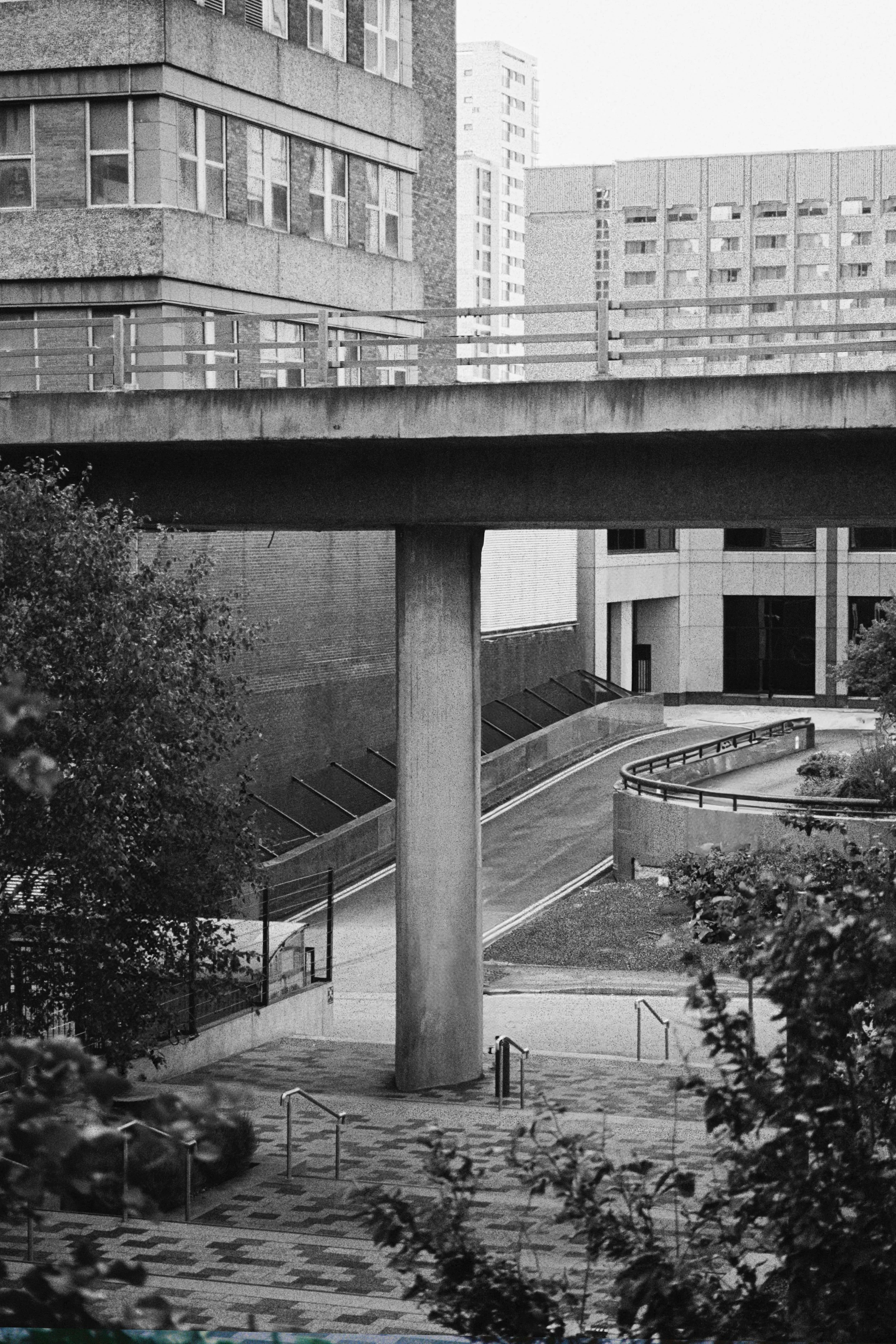
Living in Glasgow for over a decade, the motorways and bridges that cut through the city centre always struck me as a nuisance. Looming, noisy, oppressive structures. In architecture school, we were taught that these interventions destroyed the city’s fabric: dividing communities, erasing streets, and halting growth. This fact is undeniably true. But after spending a year and a half away from the city I came back seeing things differently.
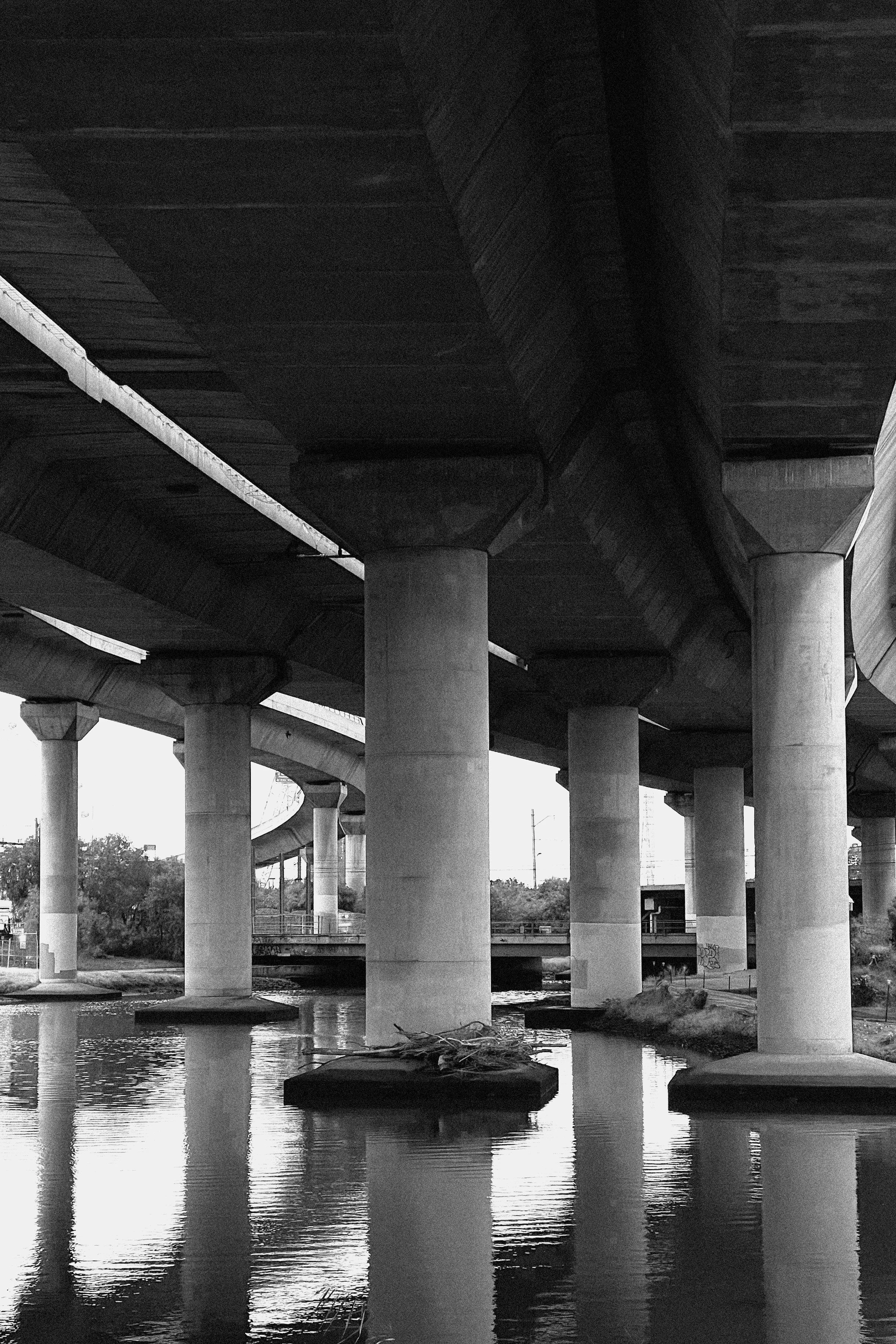
In Melbourne, I commuted to work each day beneath an elevated highway. Over time, I grew to enjoy the space. The rhythm of the repeating columns, the long shadows in the evening, the quiet as hundreds of vehicles moved overhead, the way the hard structure contrasted with the soft landscape below. It was oddly peaceful. Functional, yes - but also immersive, sculptural. That daily journey taught me to see this kind of infrastructure not just as backdrop, but as something with presence.
My fixation with imposing structures perhaps also traces back to time spent in Japan, where concrete isn’t just a structural necessity - it’s an art form.
I often think about my trip to Naoshima. Wandering through Tadao Ando’s buildings was almost spiritual. Vast concrete spaces shaped by precise light and deep shadow. A distinct feeling of scale, solitude, and quiet awe.
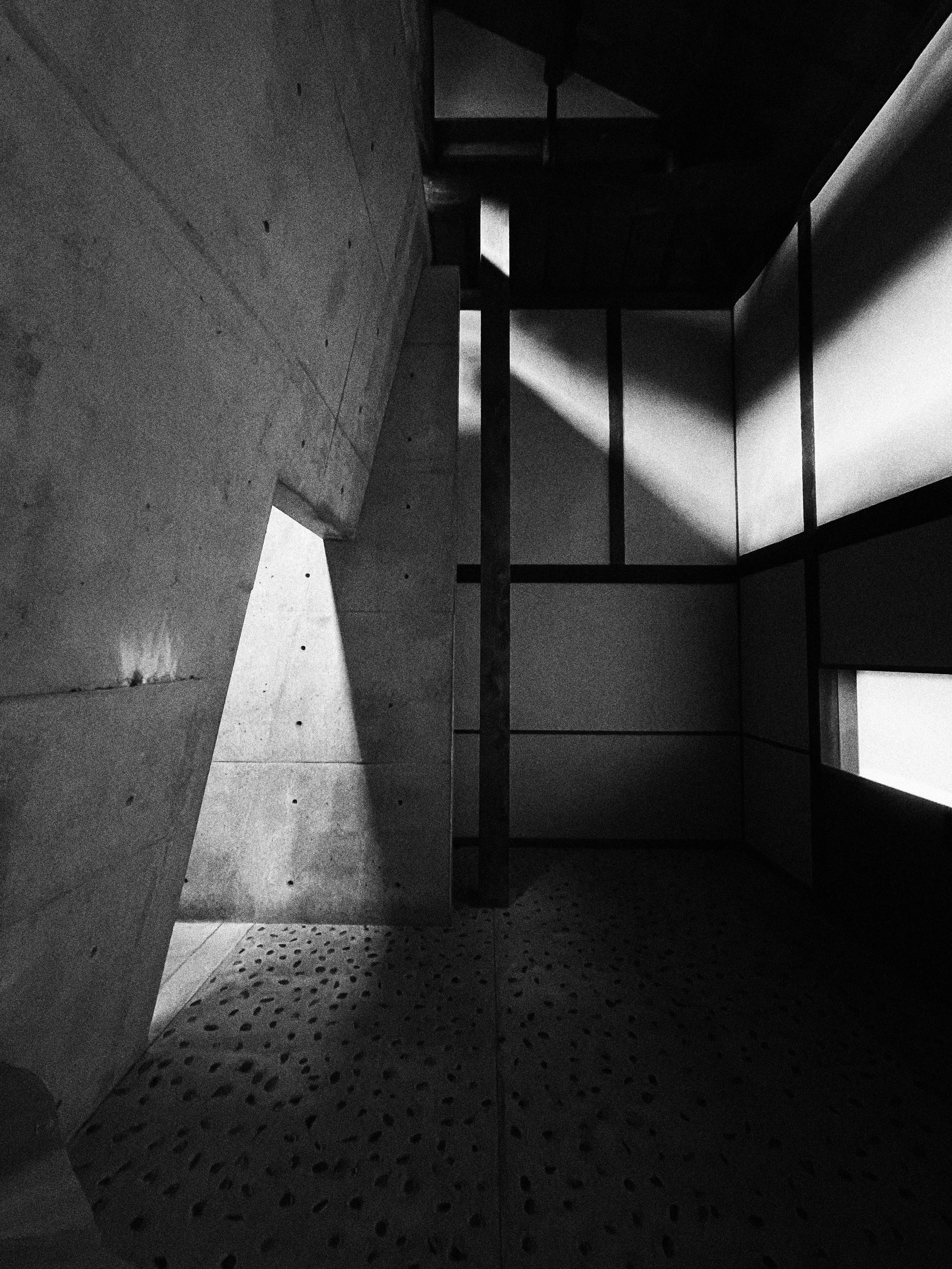
t reminded me of standing high in the mountains; deep in the forest, or in a cathedral.
A rare, quiet awareness of your own smallness.
In Glasgow, it isn’t a state of mind I find myself in often, but I catch a glimpse of it every time I walk beneath the Kingston Bridge.
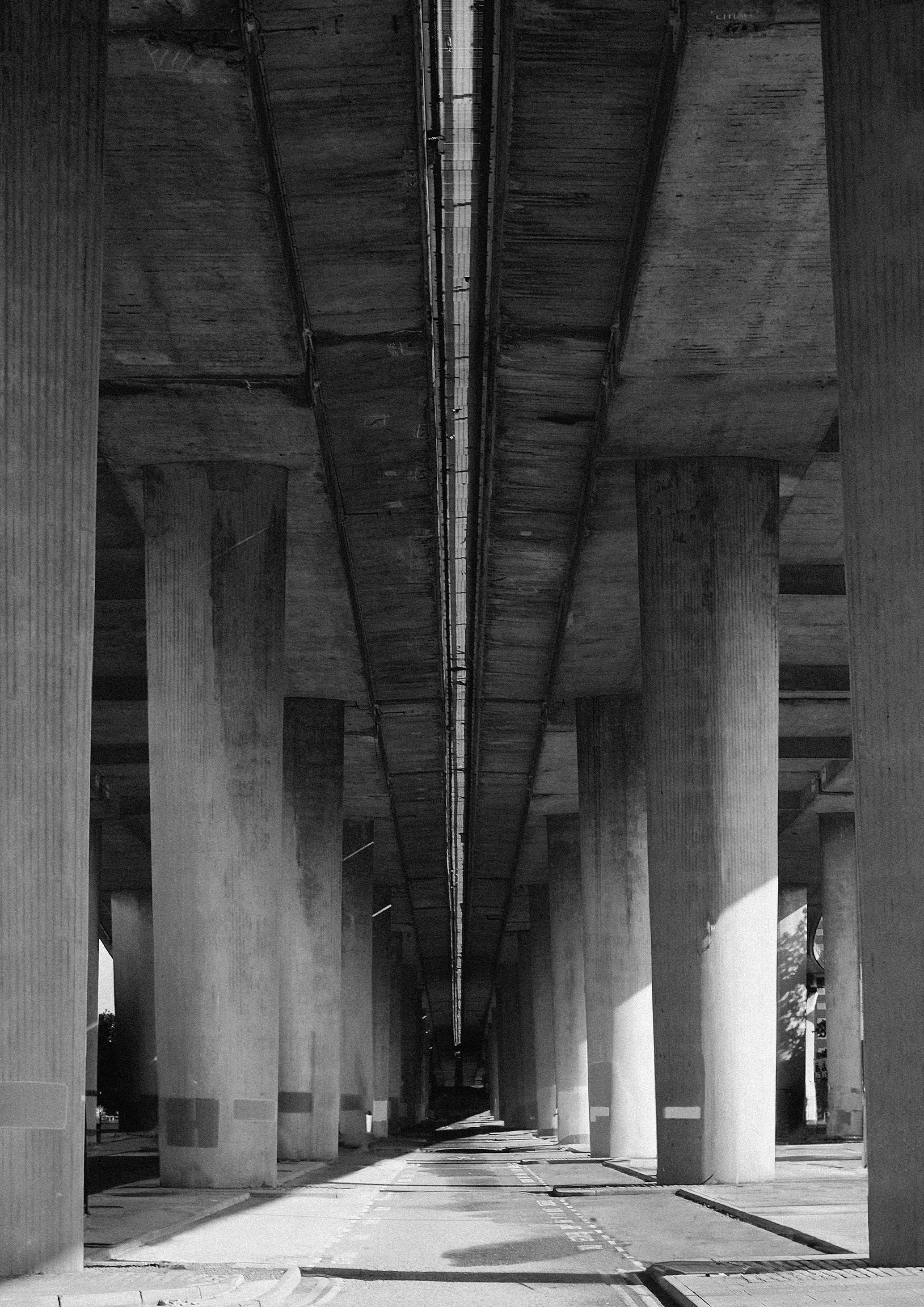
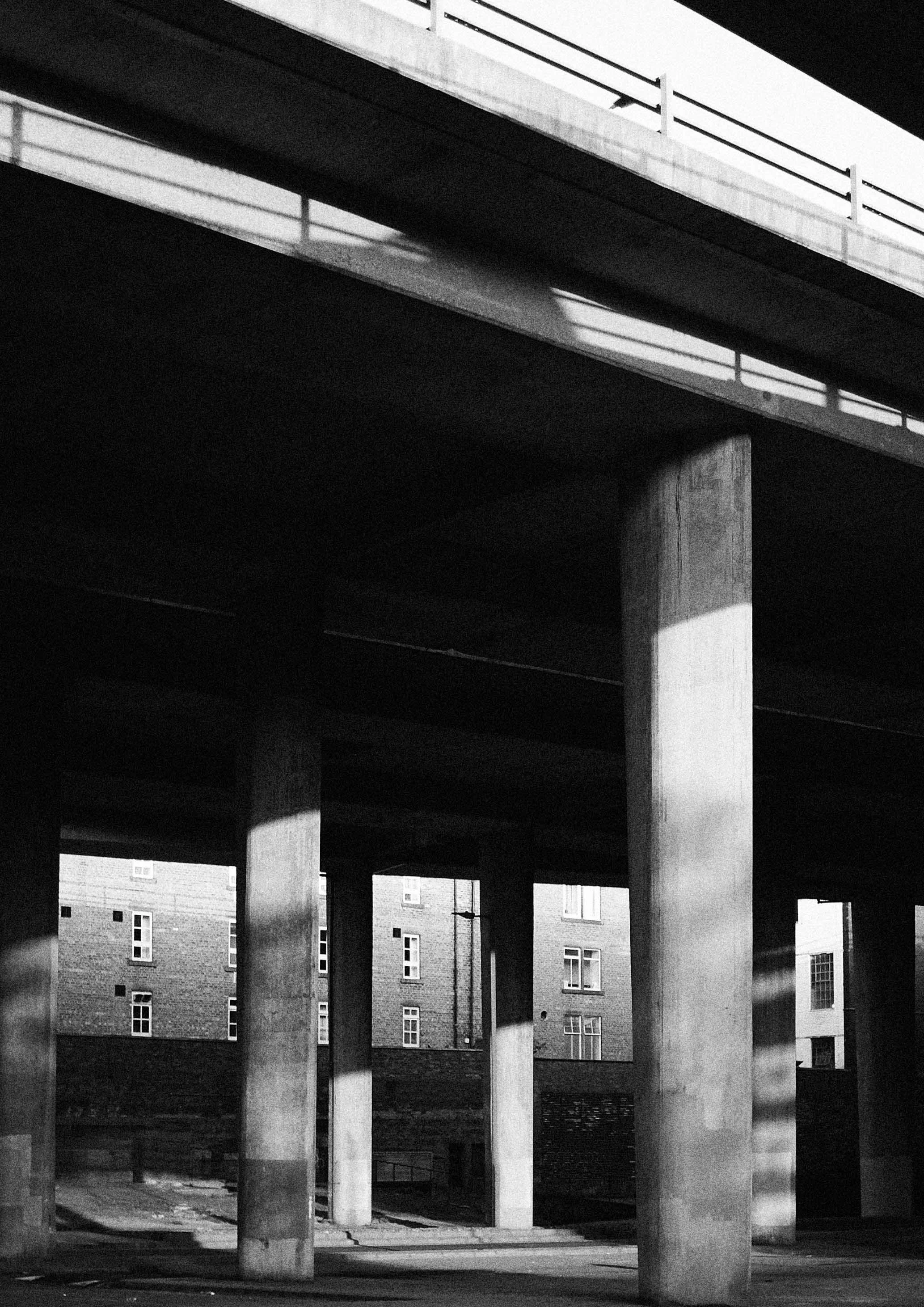
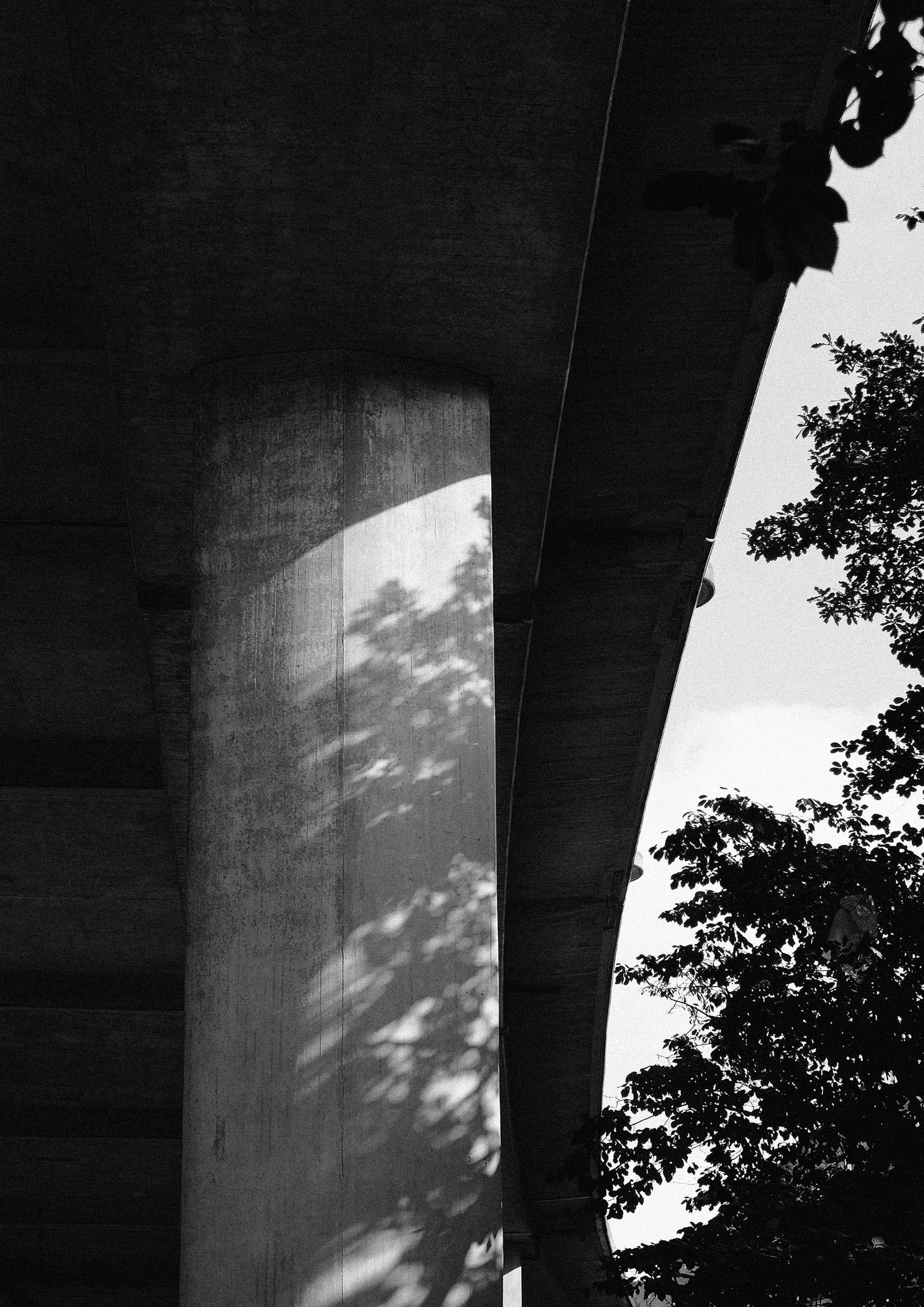
I think it’s the height, the repetitive rhythm of the columns, the symmetry that encapsulates this sensation. Especially on a sunny morning, when sharp shadows are cast across the legs of the bridge. There’s also a feeling of safety - hundreds of cars and people moving to and from the city above, yet generally a sense of being alone below. I find it incredibly peaceful.
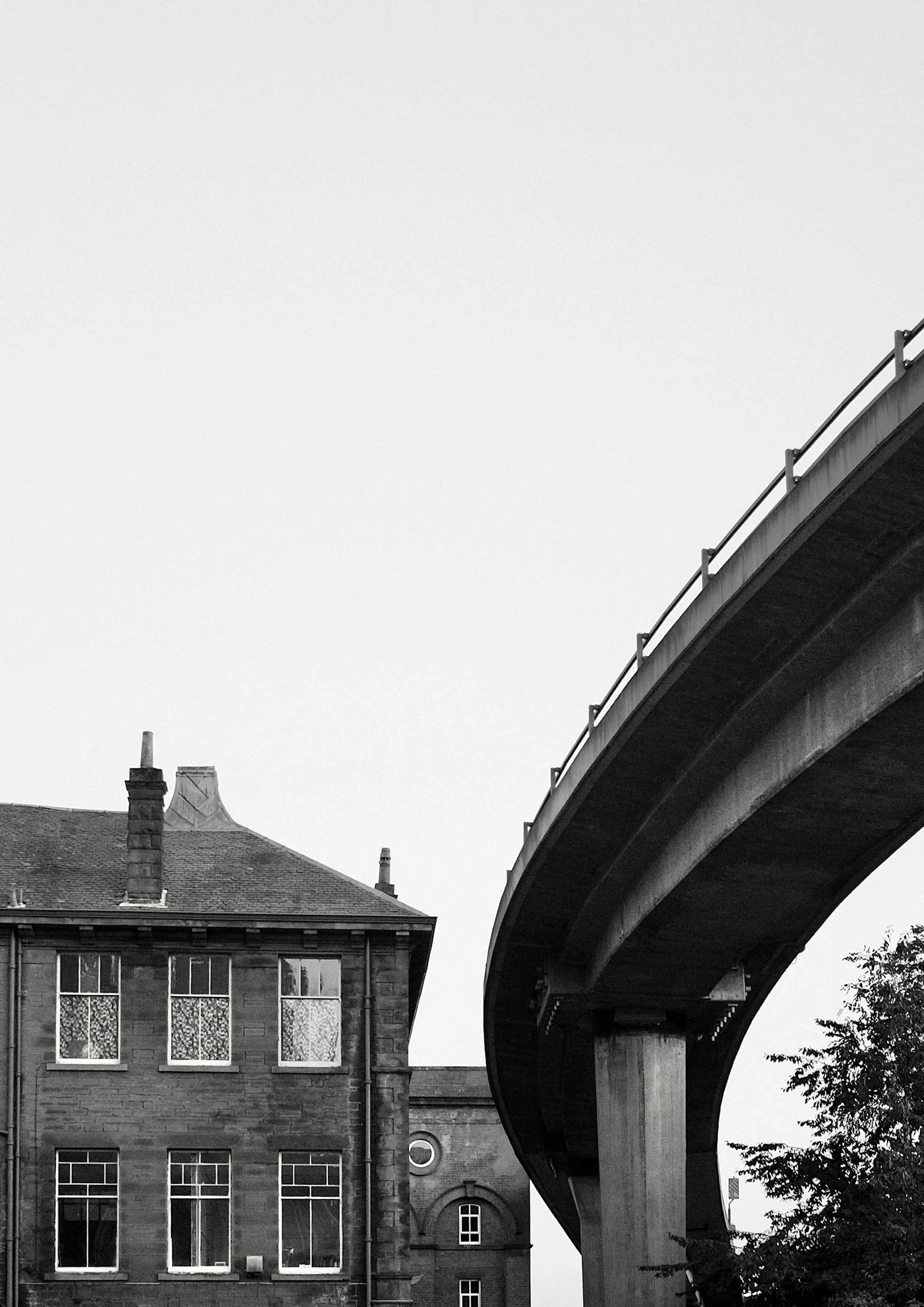
The bridge sits in stark contrast with the historic building beside it. The concrete forms juxtaposed with detailed red sandstone creates a dramatic visual dialogue.
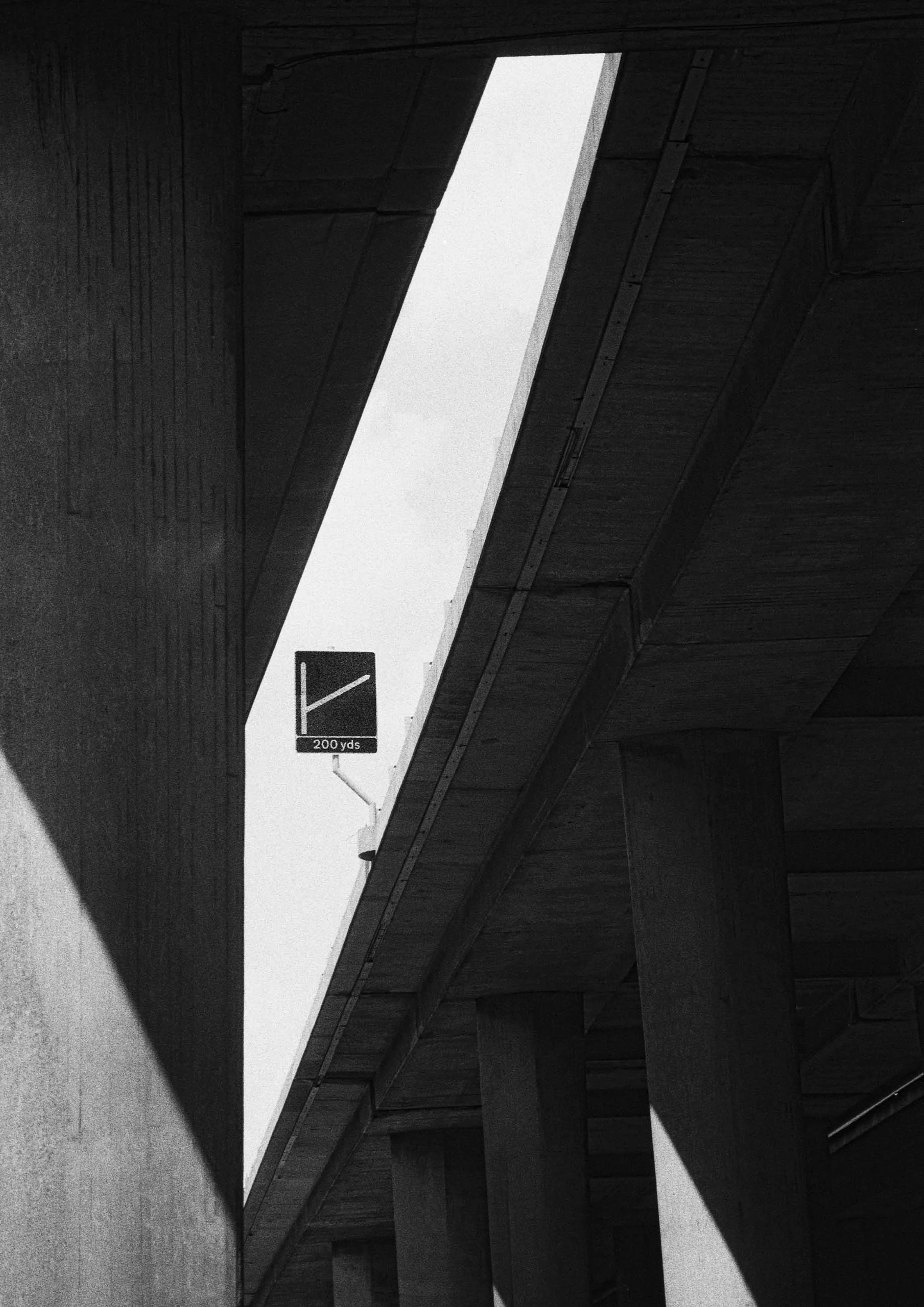
As you move north along the road, the shapes and forms of the structures above twist and turn, creating graphic positive and negative spaces. Snapshots of sky framed by concrete.
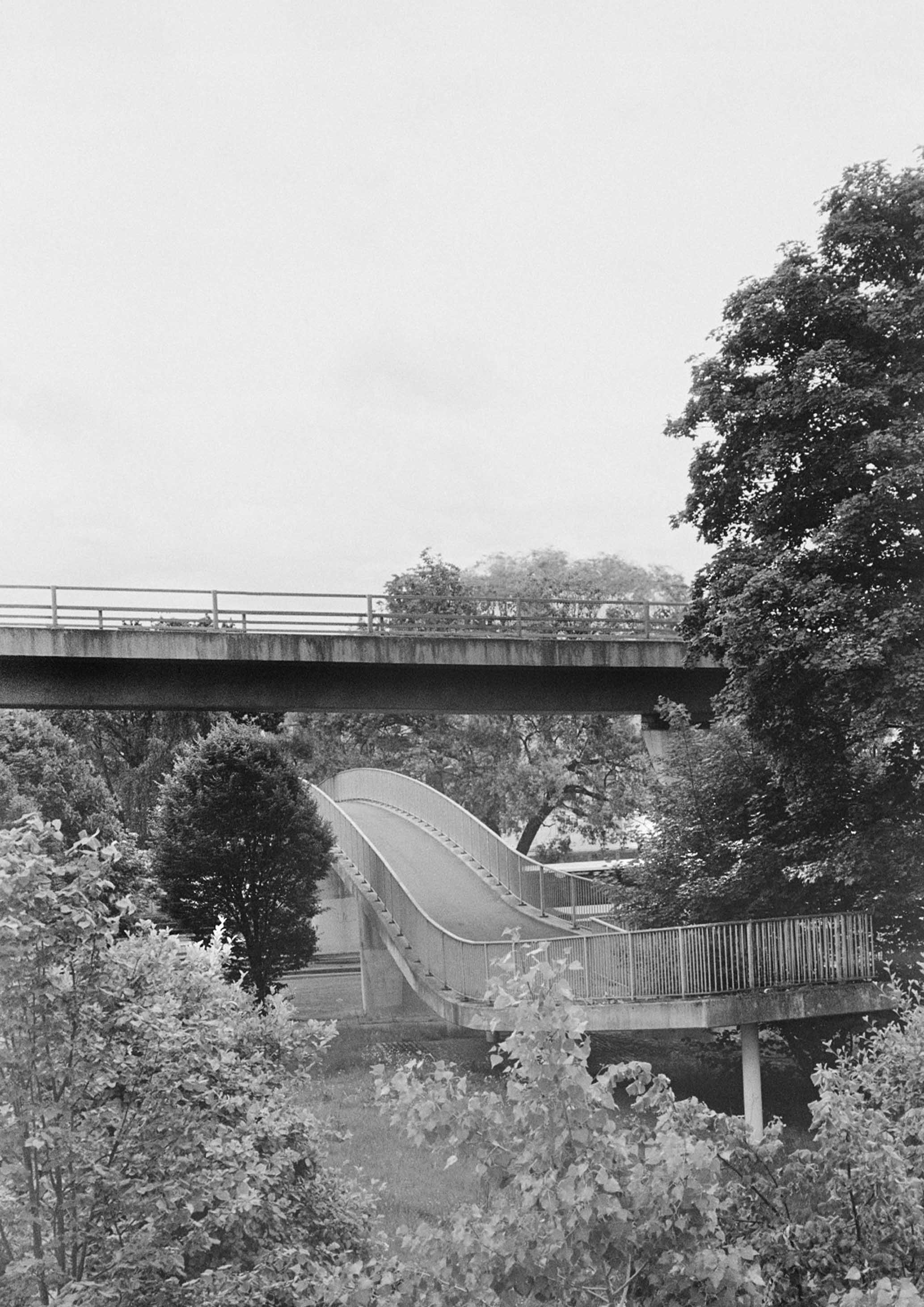
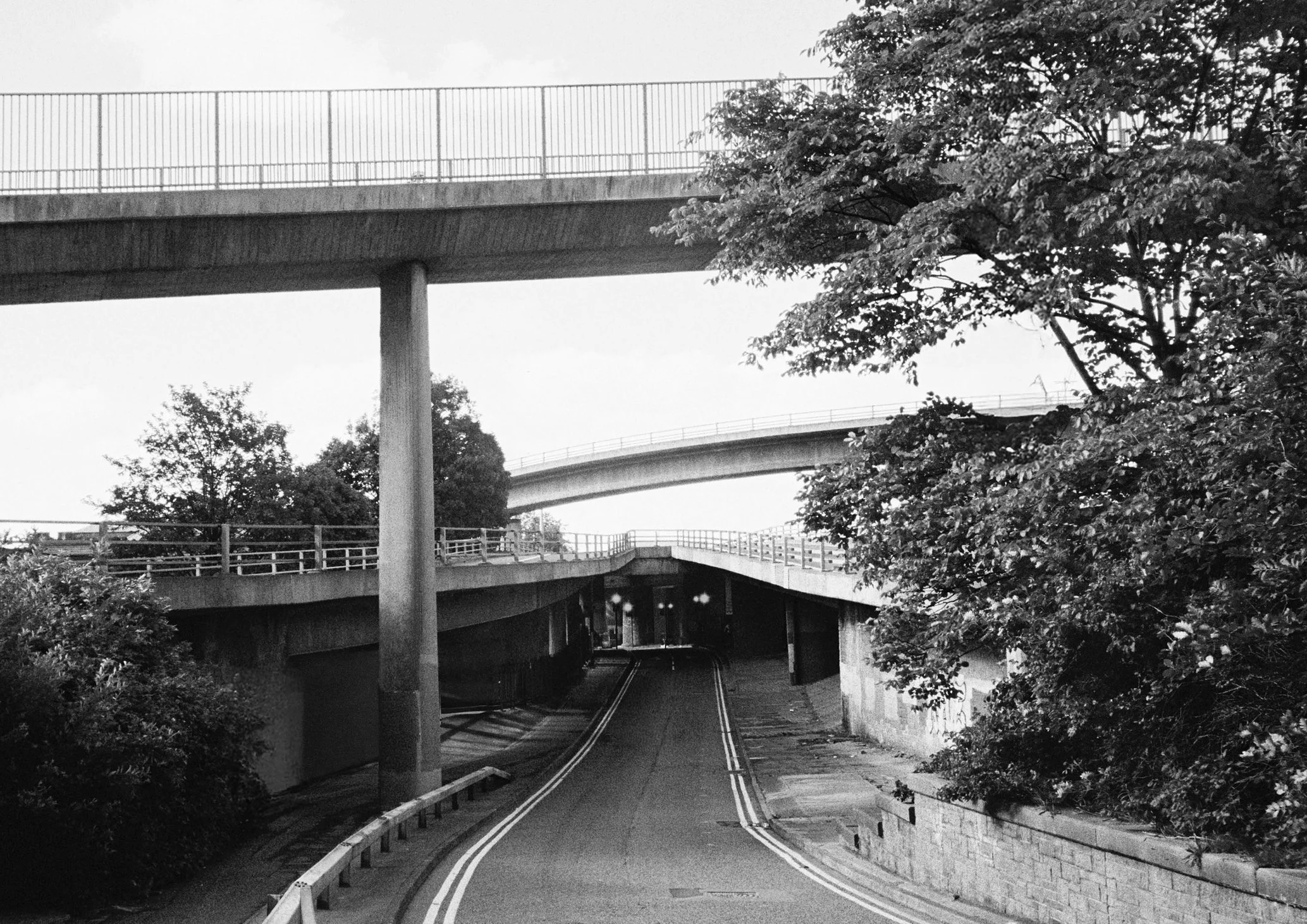
Approaching the footbridge, you enter a green haven, where the elevated paths snake through trees and grass like a concrete rollercoaster. Dramatically contrasting with the softness of the surrounding landscape.
Crossing the footbridge offers yet another perspective on the city - one that sparks a kind of solitude. Hundreds of cars move beneath you.
Maybe some drivers notice you watching.
Most probably don’t.

These structures are scattered across the western and northern edges of the city, quietly shaping the daily routines of many lives. Not as lead actors but as side characters. Always there, rarely acknowledged, but deeply embedded in the landscape.
They can carry different meanings for different people:
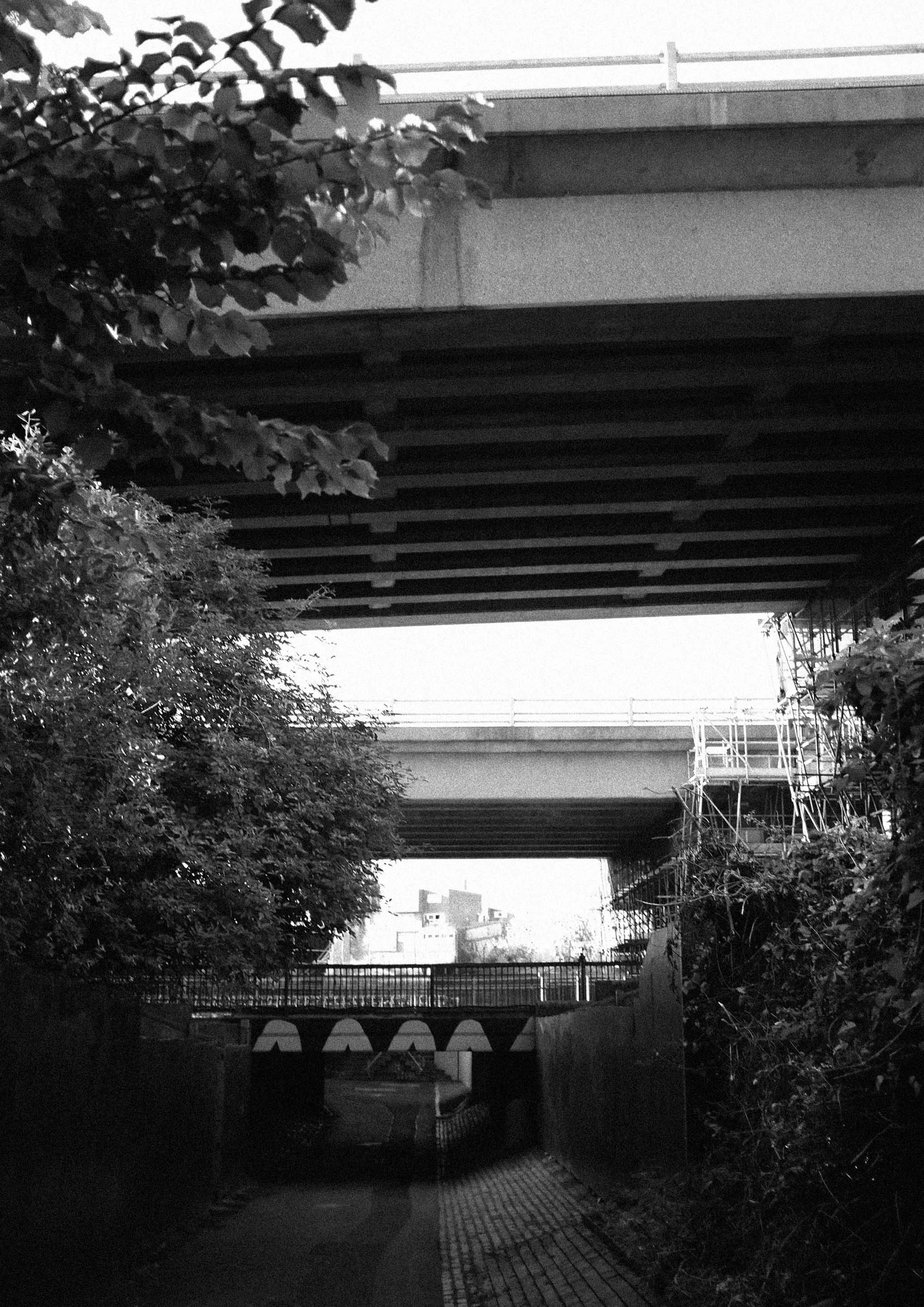
Fear:
Though solitude in relation to these structure can feel peaceful, it can just as quickly become unsettling when the sense of being alone is broken. The sound of footsteps or voices behind you, limited exit routes, a feeling of being watched but unseen. These spaces are rarely policed or overlooked, and their stillness can shift into isolation. Comfort of anonymity can quickly turn into vulnerability.
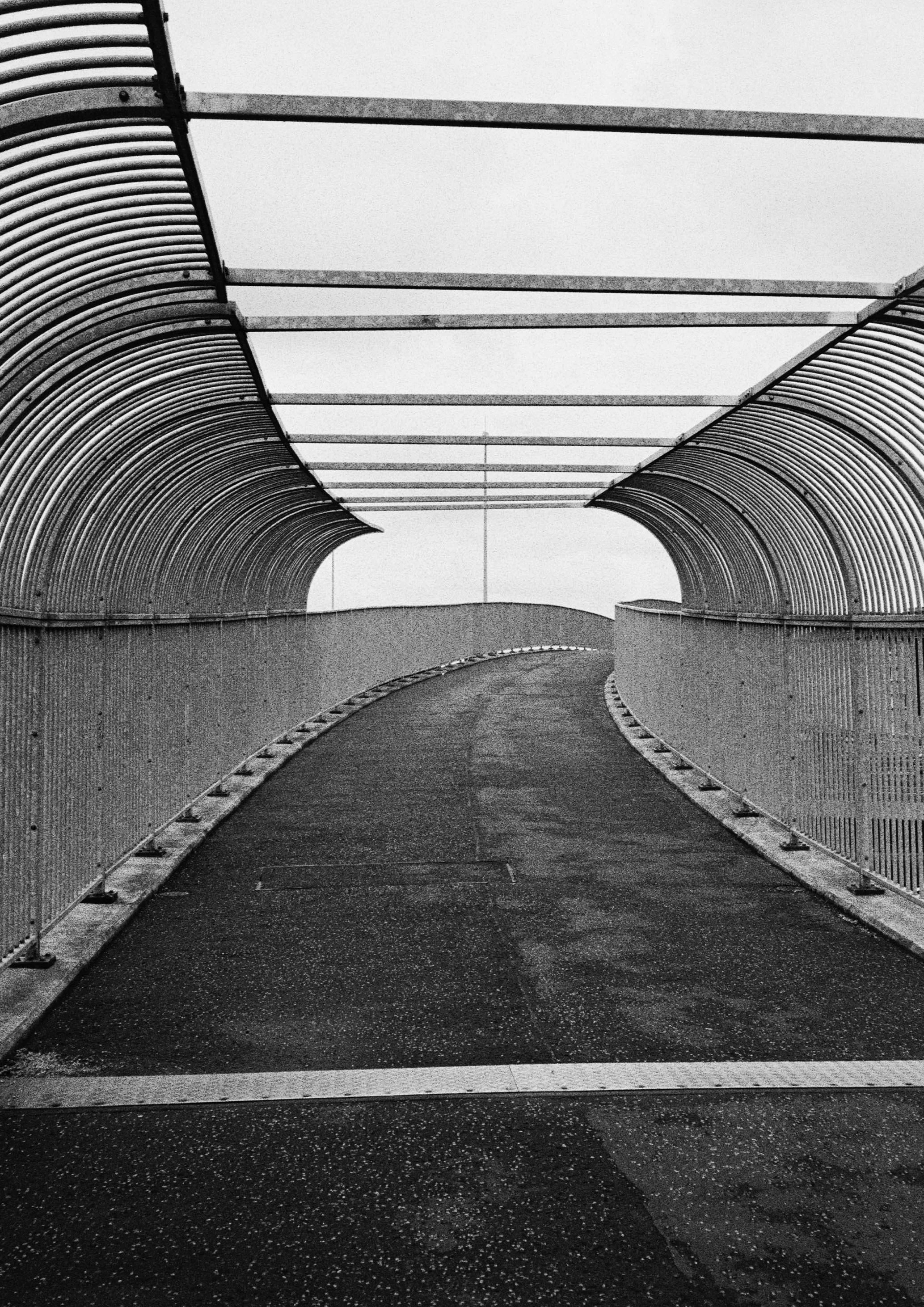
Grief:
The presence of these structures comes at a cost. Their construction tore through established communities, flattening homes and severing social ties in favour of moving cars efficiently through the city. It’s hard not to stand beneath them and think of everything that was erased to make room for these routes. Places once filled with memories and meaning. The grief is layered into the structures themselves.
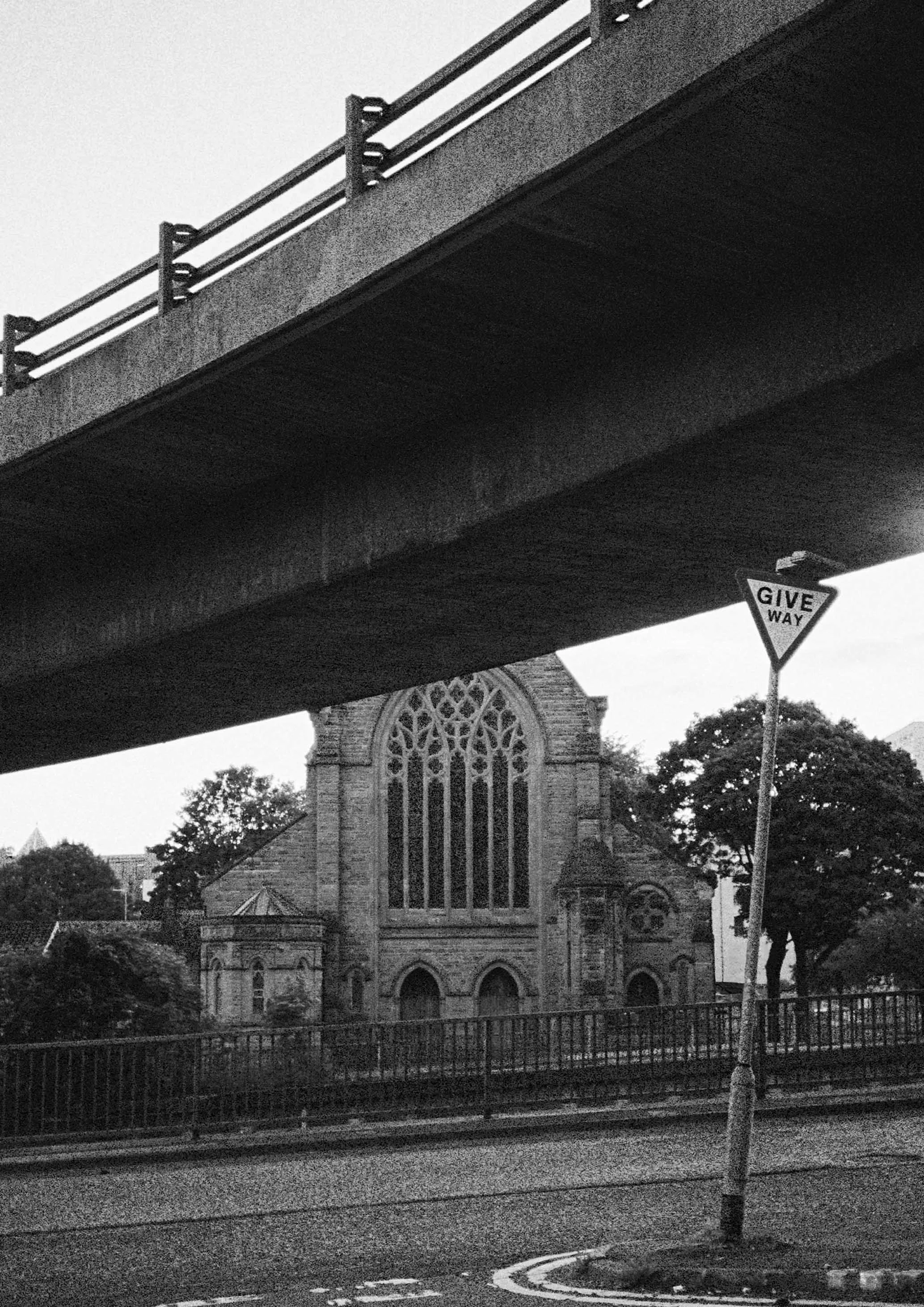
Relief:
In a city where the weather is so often unforgiving, the space beneath a bridge can offer comfort. Dry, quiet, and still. These are the places people wait out the rain, smoke a cigarette, fix a bike chain, check a map. Covered yet exposed, they become accidental shelters: somewhere to pause, recalibrate. Even the act of walking underneath can feel like a brief moment of protection.
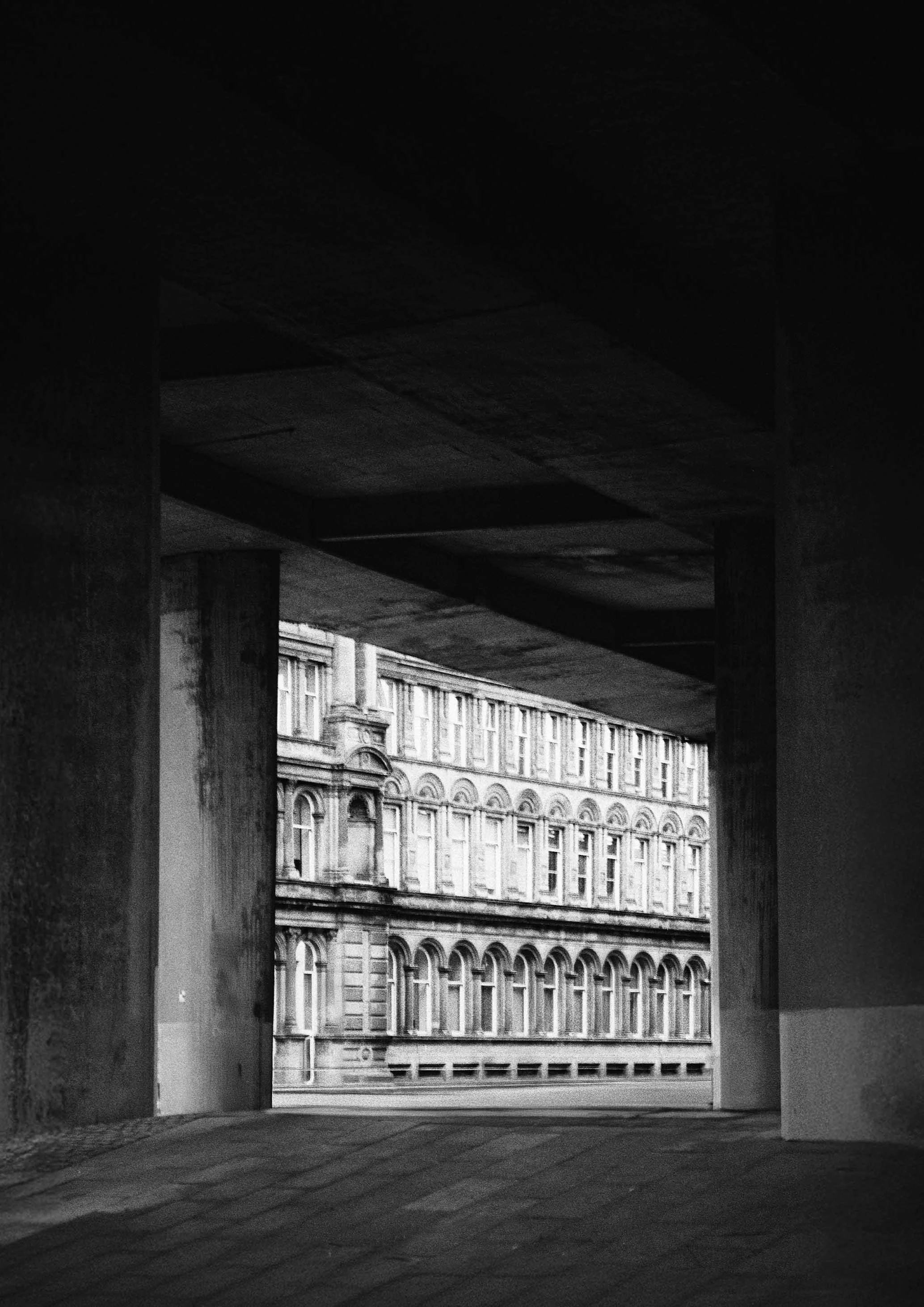
Connection:
These routes serve as arteries through the city. Direct, continuous, legible. They provide clarity in a place that can feel chaotic. The overpasses become informal landmarks, recognisable to everyone, even if unnamed. They’re places you pass through, meet under, orient yourself by.
Countless times I’ve been on the phone arranging to meet someone and said,
“I’m nearly at the motorway.”
A sentence that always makes sense here.
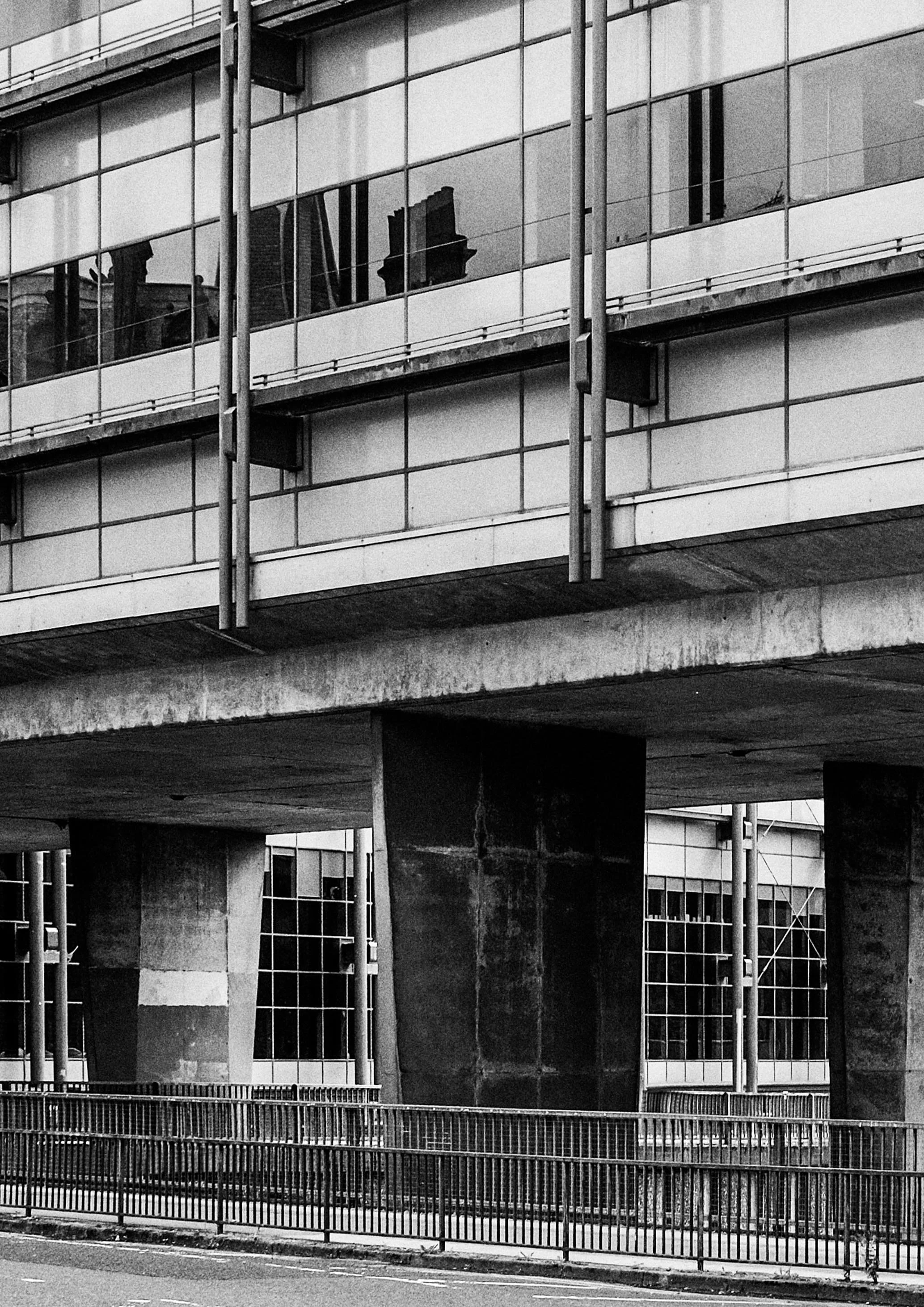
The longer I spend photographing these structures, the more I see these bridges not just as infrastructure but as unintentionally beautiful architecture - monuments built without ceremony, spaces inherited rather than designed. They shape our movement, our memory, our sense of belonging or exclusion within the city.
Often ugly.
Usually overlooked.
Ocassionaly sublime.
Though, maybe I’m just romanticising it because I cant drive.